Projects
Eight industries, one task: pricing and financing usage
We name our clients only when the work is public. We describe all other projects anonymously, with starting point, approach and result.
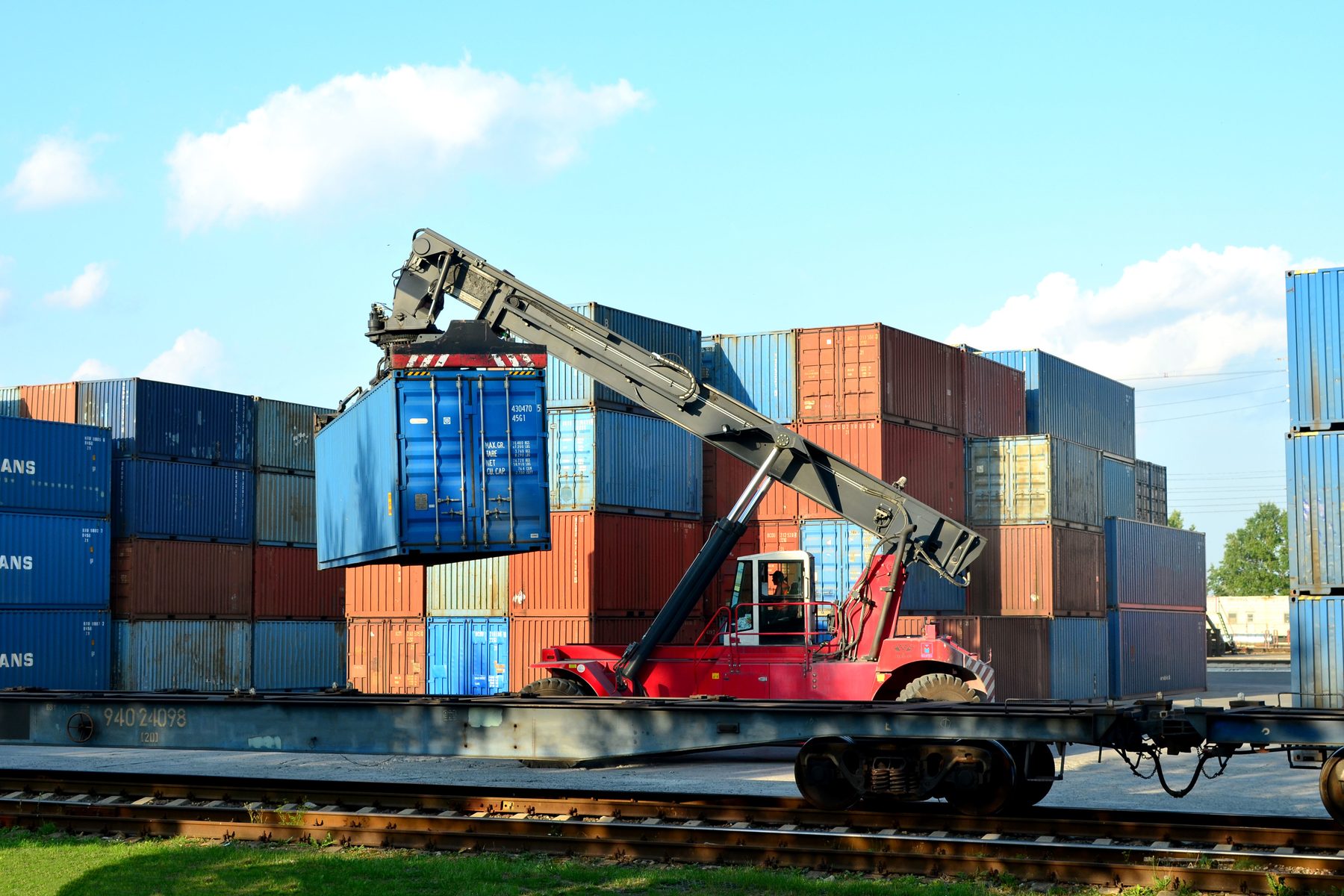
Rail freight
Financing and migration of the Digital Automatic Coupling for the European freight wagon fleet.
German Federal Ministry of Transport · 2024
Funding of the Digital Automatic Coupling
In a consortium with SCI Verkehr and hwh: assessment of which funding instruments are effective and suitable. Recommendations included pioneer trains and funding of the preparation phase.
To the studyGerman Federal Ministry of Transport · 2020
Concept for the EU-wide migration
As subcontractor to hwh: contribution to the migration concept for a Digital Automatic Coupling system in European rail freight.
To the studyRail freight operator
Balance-sheet-friendly models for the retrofit
Starting point: retrofitting the wagon fleet requires high investments. Approach: financing options developed and assessed with management and auditors.
Result: assessed financing options as a basis for decision-making.
Project in preparation
Financing solution for the retrofit
Starting point: the costs of the retrofit are incurred immediately, while the benefit arises over the long service life and is distributed unevenly among those involved. Approach: usage-based billing concept developed that allocates costs according to benefit, integrates public guarantees and opens the capital market for refinancing.
Result: concept and project plan.
Industry project in preparation
Retrofitting entire transport chains
Starting point: the benefit of the coupling only arises once end-to-end transport chains have been retrofitted. Approach: project outlined that brings together retrofit, operation and financing for one industry.
Result: project outline.
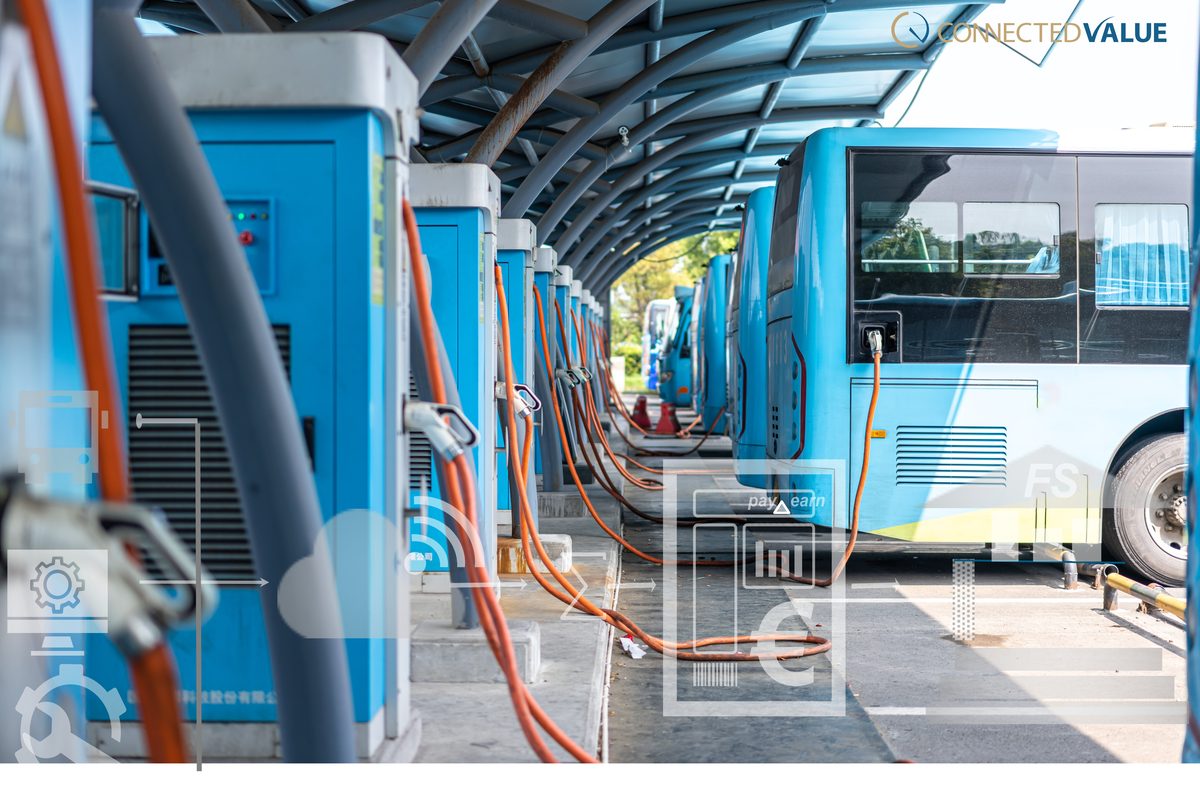
Public transport
Electric bus fleets as a complete package of vehicle, battery, charging infrastructure and financing.
Bus operator
Procuring bus fleets without burdening the balance sheet
Starting point: the switch to zero-emission buses requires high investments in vehicles, batteries and charging infrastructure. Approach: range of balance-sheet-friendly models mapped out, from sourcing bus capacity as a service to pool and partner solutions, and compared with case examples from Europe.
Result: assessed options as the basis for a strategic decision.
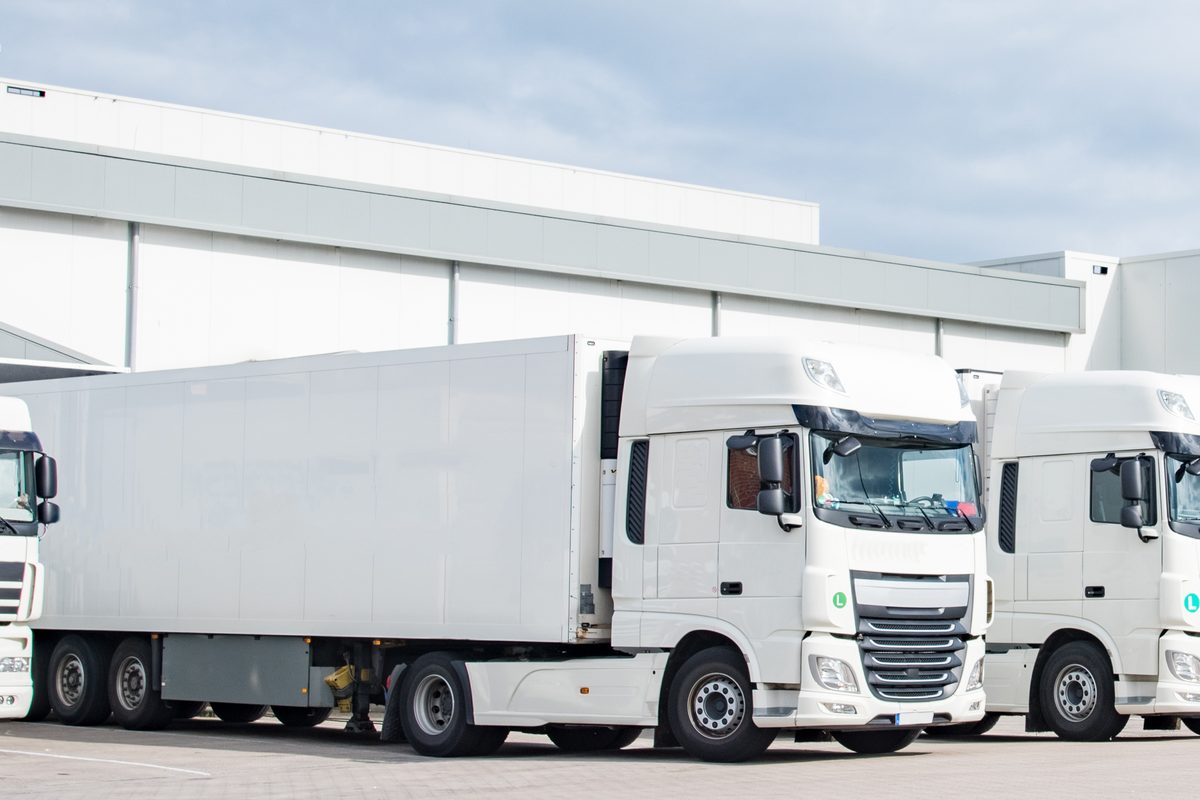
Transport and logistics
Vehicles and trailers as a service, so that partners can drive without tying up their own capital.
Logistics service provider
Truck as a Service for subcontractors
Starting point: subcontractors are withdrawing, drivers are in short supply. Approach: the freight forwarder’s purchasing and financing advantages transferred to the partners’ vehicles, without capital burden or residual value risk for them.
Result: concept for procurement, financing and provision of the vehicles as a decision paper.
Manufacturer of intralogistics equipment
Pricing and service models for lithium-ion batteries
Starting point: customers are to switch to the new battery technology. Approach: models developed that share the performance advantage between manufacturer and customer.
Result: rate per kilowatt-hour in which the battery manufacturer guarantees energy throughput and charging cycles instead of a buy-back value.
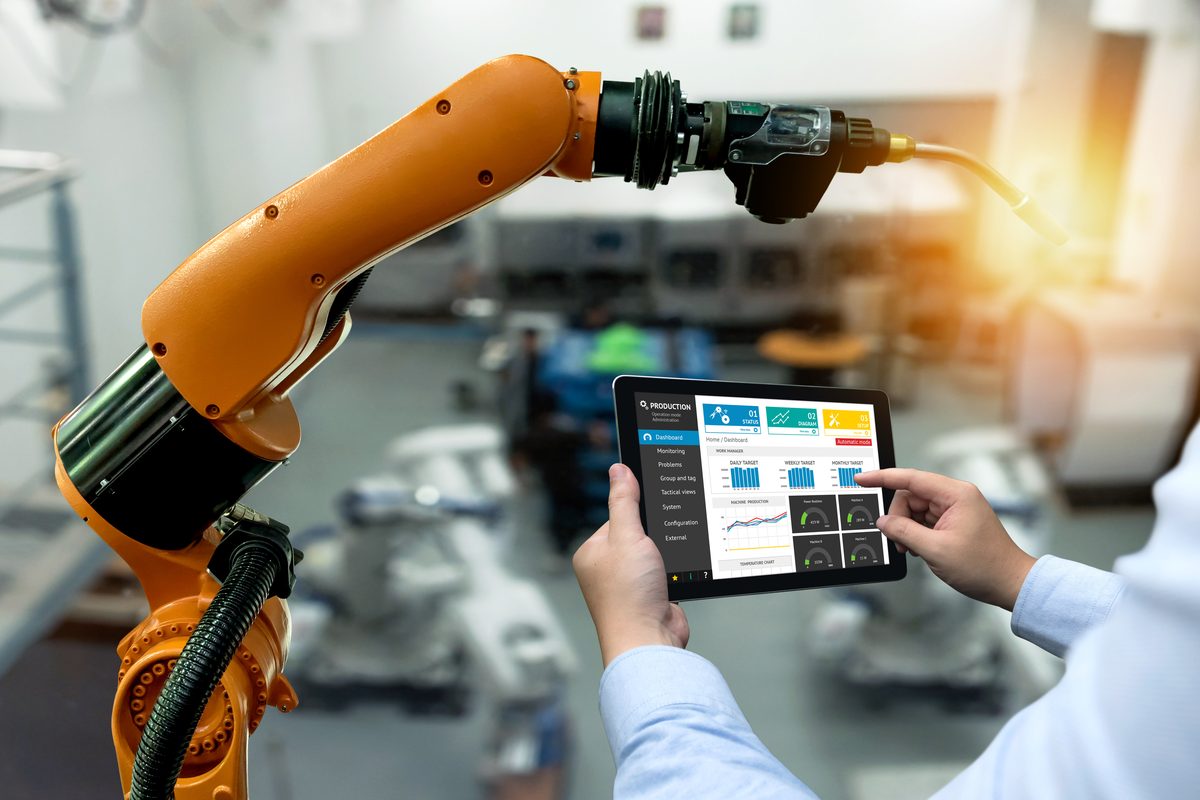
Robotics and automation
Pay for automation by usage instead of as an investment.
Manufacturer of industrial robots
Automation as a Service
Starting point: automation is to become accessible to users who shy away from an investment. Approach: target segments and solution packages selected in workshops; pricing metrics, risk allocation, billing and refinancing worked out.
Result: solution packages for pilots and a roadmap for preparing them.
Chemicals and process industry
From selling products to billing by application and outcome.
Process industry company
Process performance as a service
Starting point: a consumable product is to be offered together with equipment and service as a complete solution. Approach: scope of service, outcome-based billing, handling of volume fluctuations and financing of the equipment worked out.
Result: blueprint for the business and operating model with implementation steps as a basis for decision-making.
Construction and mining
Retrofit automation and bill it as a software service.
Manufacturer of construction and mining machinery
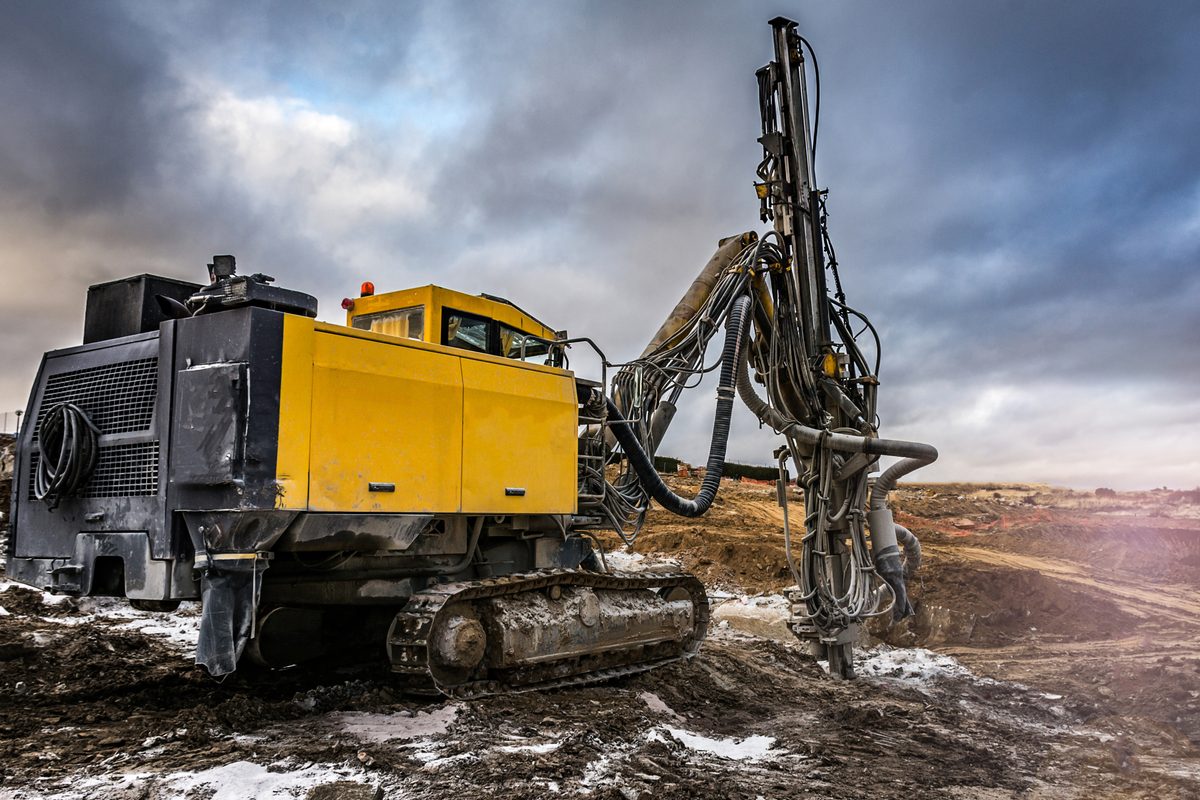
Pricing model for retrofitted drilling automation
Starting point: automation is to be brought into the existing fleet. Approach: software-as-a-service model developed whose revenues feed the innovation budget.
Result: pricing model based on drilling performance instead of a static license, growing with the degree of automation.
Drives and engines
Turning connected components into profitable services.
Manufacturer of drive shafts
Business model for connected services
Starting point: sensors measure vibrations and enable condition-based maintenance. Approach: model developed that makes connectivity profitable for customer and manufacturer.
Result: pricing model for pilot customers in which the sensors are part of the service agreement. The customer pays for output, the manufacturer guarantees availability.
Engine manufacturer
Transition to the service business
Starting point: connected products exist, use cases are missing. Approach: customer use cases identified that increase their returns and reduce capital tied up.

Medical technology
Bundling and billing digital applications on devices.
Medical technology manufacturer
Pricing model for an industrial app store
Starting point: third-party applications are to be distributed via a platform. Approach: commercial model developed that bundles apps and splits payments in the background.
Result: purchasing model in which the platform bundles purchasing for users without being a reseller itself.